
Understanding the Basics of Sports Broadcasting
What is Sports Broadcasting?
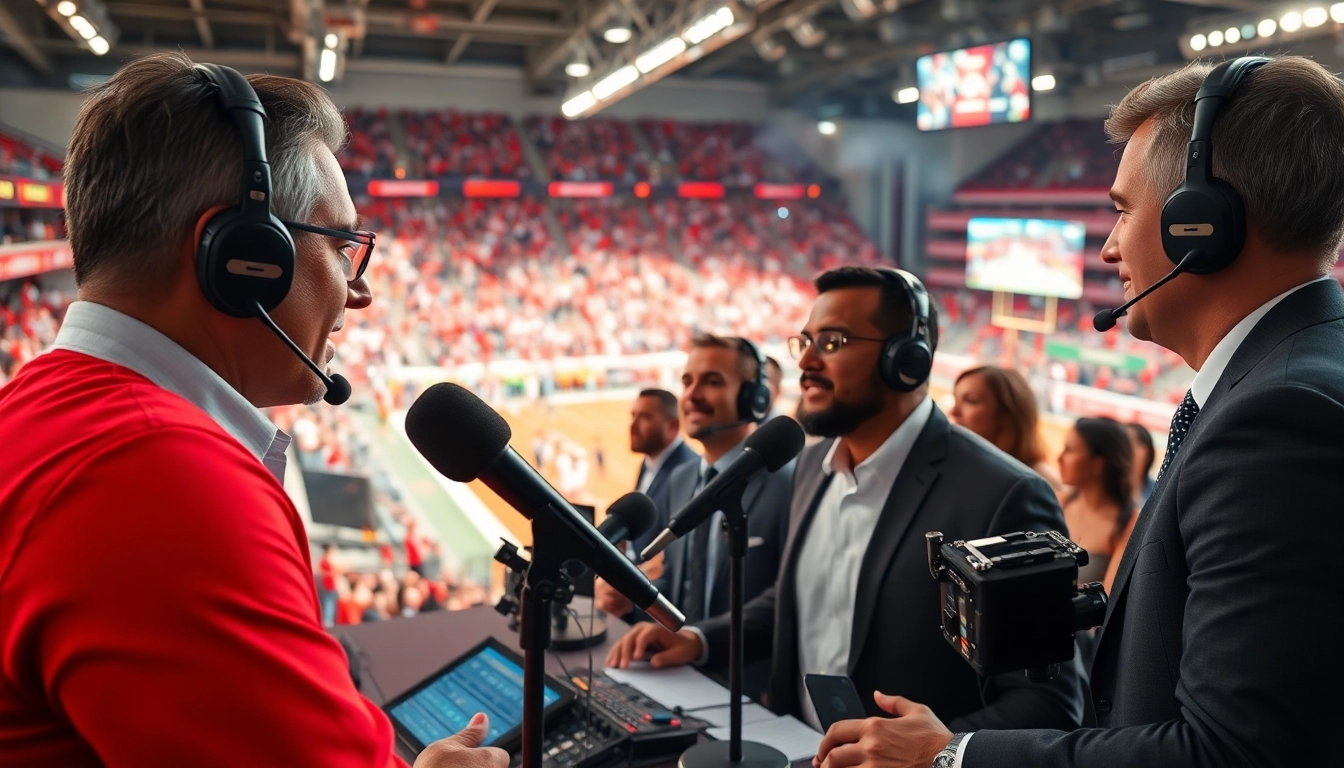
Sports Broadcasting refers to the live transmission of sports events via television, radio, and online platforms. It encompasses a variety of roles, from commentators and analysts to producers and technical staff, all working together to deliver thrilling moments from the world of sports to audiences worldwide. This multifaceted field not only entertains fans but also informs them about everything from game statistics to player performances. Understanding Sports Broadcasting requires knowledge of the technology and techniques used in the industry, as well as the evolving nature of the media landscape.
The Evolution of Sports Broadcasting
The history of sports broadcasting can be traced back to the early 20th century, when radio first became a medium for transmitting live sports events. Over the decades, sports broadcasting has undergone significant changes, moving from radio to television and now to digital platforms. The introduction of color TV transformed how games were viewed, while the development of cable channels dedicated to sports provided more content and accessibility. In recent years, the rise of streaming services has further altered the landscape, allowing fans to watch sports on-demand and across multiple devices.
Key Roles in Sports Broadcasting
A sports broadcast is a collective effort that involves various professionals, each serving a unique purpose. Key roles include:
- Commentators: They provide play-by-play commentary and analysis during live events, bringing excitement and expertise to the audience.
- Analysts: Former athletes or sports experts offer insights and opinions about the game's strategies, player performances, and statistics.
- Producers: They manage the overall production, including camera angles, graphics, and segment timing, ensuring a smooth broadcast.
- Technical Crew: Engineers and technicians handle the sound and visual equipment, ensuring high-quality transmission.
Essential Techniques for Sports Broadcasting
Preparing for Live Coverage
Preparation is crucial in the fast-paced world of sports broadcasting. Broadcasters need to gather comprehensive data about the teams, players, and the event itself before going live. This includes studying players' statistics, understanding team strategies, and being aware of any current events that could influence the game. Producers typically create detailed rundowns outlining segments, camera angles, and timings to ensure a streamlined broadcast experience.
Effective Communication Skills
Effective communication is the backbone of sports broadcasting. Broadcasters must articulate thoughts clearly and concisely, balancing informative analysis with the excitement of live action. They should also be adept at adjusting their tone and pace according to the game's rhythm. Active listening is essential, as it enables broadcasters to respond to their co-commentators and the unfolding action in real time, enhancing the audience's experience.
Utilizing Technology in Sports Broadcasting
With rapid technological advancements, the sports broadcasting industry has adapted by integrating various tools to enhance production quality. From HD cameras that capture every detail of the action to advanced graphics that deliver real-time statistics, technology plays a vital role in modern broadcasts. Additionally, interactive features such as instant replays, player tracking systems, and augmented reality graphics enrich the viewing experience, keeping fans engaged and informed.
Trends Shaping the Future of Sports Broadcasting
The Impact of Streaming Services
Streaming services are revolutionizing the sports broadcasting landscape. With platforms offering subscription models, viewers now have access to a wider range of sports content, including niche leagues that traditional broadcasters often overlook. These services also allow viewers to watch games on various devices, enabling a personalized viewing experience. The challenge for broadcasters is balancing traditional viewership with the burgeoning demand for on-demand content.
Virtual Reality and Augmented Reality in Sports
Emerging technologies such as Virtual Reality (VR) and Augmented Reality (AR) are beginning to make their mark on sports broadcasting. VR can provide immersive experiences, allowing fans to feel as though they are part of the action, while AR can overlay statistics and graphics onto live gameplay, enhancing understanding and engagement. As these technologies evolve, they have the potential to greatly enrich the sports watching experience.
The Role of Social Media in Sports Coverage
Social media has become an indispensable tool for sports broadcasters. Platforms like Twitter, Instagram, and Facebook allow networks to share highlights, engage with fans in real-time, and promote live broadcasts, creating a community around sports events. Moreover, broadcasters can monitor trending topics and fan sentiment, allowing for more tailored content that resonates with audiences. Social media also provides quick feedback, enabling broadcasters to adjust their strategies accordingly.
Best Practices for Engaging Audiences
Building a Brand in Sports Broadcasting
Branding is crucial in distinguishing a broadcaster in the competitive sports landscape. Teams and networks should create a strong identity through consistent messaging, quality content, and memorable visuals. They must engage with their audience, building trust and loyalty by offering unique insights and discussions. Key strategies include creating a strong online presence, utilizing social media effectively, and collaborating with influencers in the sports community.
Creating Interactive Experiences for Fans
To enhance engagement, sports broadcasters are increasingly creating interactive experiences for their audiences. This can involve live Q&A sessions, fantasy leagues, or polls during broadcasts that allow viewers to interact and express their opinions. Such initiatives foster a sense of community and involvement, keeping fans returning for more. Offering exclusive content through apps or online platforms can further enrich the fan experience.
Measuring Broadcast Performance
Performance metrics are vital for assessing the effectiveness of sports broadcasts. Broadcasters should analyze viewership statistics, audience engagement levels, and social media interactions to gauge their success. Using tools like audience feedback surveys can yield valuable insights into viewer satisfaction and areas for improvement. By continuously evaluating performance, broadcasters can refine their strategies and deliver content that resonates with their audience.
FAQs About Sports Broadcasting
What skills are necessary for a sports broadcaster?
Effective communication, strong analytical skills, and familiarity with broadcasting technology are essential.
How has technology changed sports broadcasting?
Technology like streaming and analytics tools has enhanced audience engagement and broadcast quality.
What are common challenges in sports broadcasting?
Time constraints, unexpected technical issues, and the need for real-time information can be challenging.
How can I get started in sports broadcasting?
Gain experience through internships, study communication, and build a portfolio with practice broadcasts.
What is the future of sports broadcasting?
The future may prioritize streaming, immersive experiences, and increased interaction with audiences.